




Complete Solar Solution
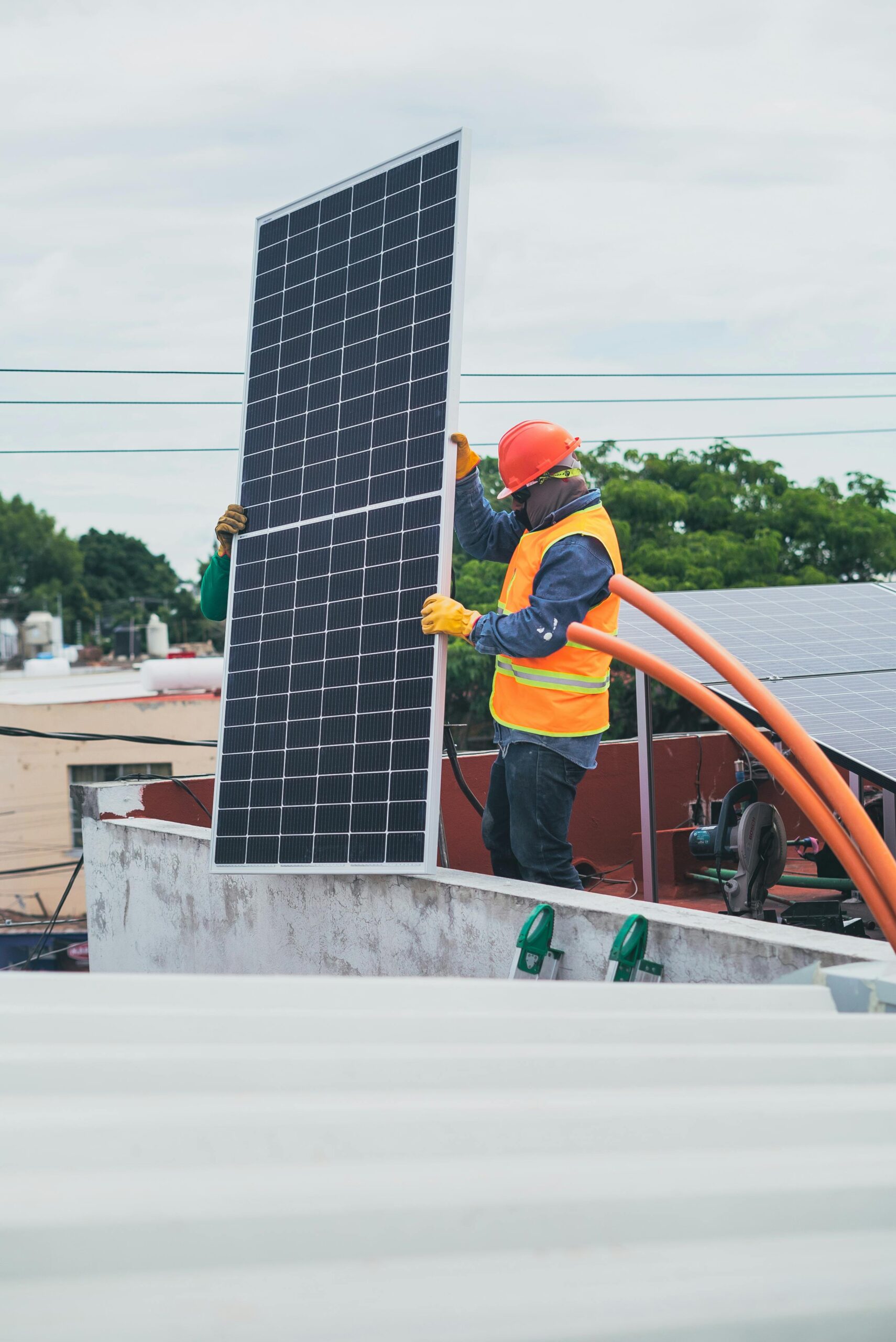
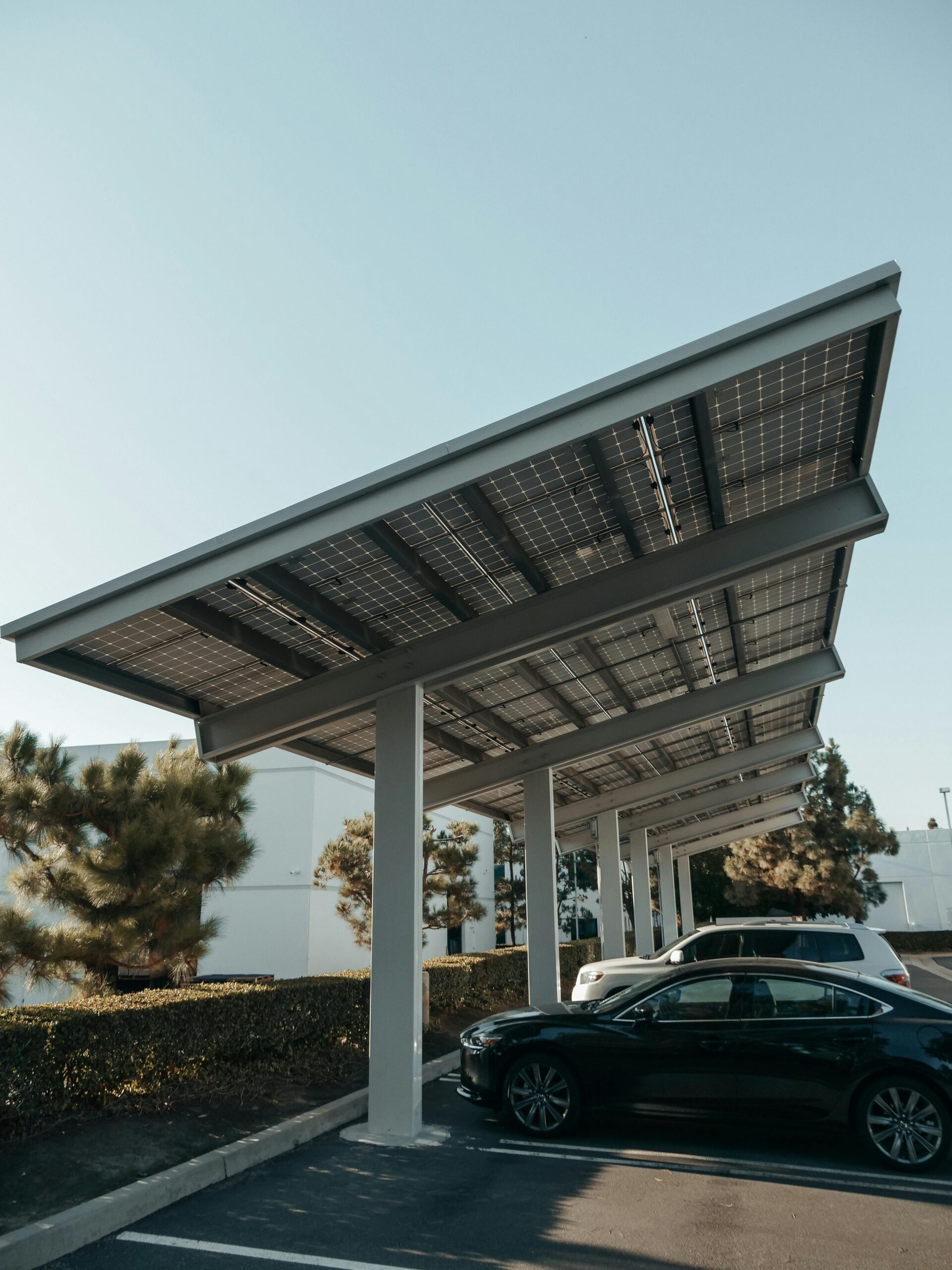
A solar power system is a renewable energy solution that converts sunlight into electricity using photovoltaic (PV) panels. It’s widely used for off-grid, on-grid, or hybrid applications, helping reduce electricity bills and carbon emissions.
Free Delivery
For order over 150,000 Tk
7 Days Return
If goods have problems
10am - 8pm Support
Saturday - Thursday
Cash on Delivery Available
Cash on Delivery Available
Working Principle
-
Solar Panels (PV Modules) absorb sunlight and generate DC (Direct Current) electricity.
-
The Inverter converts DC to AC (Alternating Current) for use in homes/offices.
-
Mounting structures hold the panels in place.
-
Balance of System (BOS) includes cables, junction boxes, batteries (if needed), and protection devices.
-
In grid-tied systems, surplus electricity is exported to the grid; in off-grid, it is stored in batteries.
Types of Solar Systems
| Type | Description | Use Case |
|---|---|---|
| On-Grid (Grid-Tied) | Connected to utility grid. No batteries. | Homes, factories, offices in cities |
| Off-Grid | Independent system with battery backup. | Remote/rural areas with no grid |
| Hybrid | Combines on-grid + battery backup. | Critical load systems, hospitals, institutions |
| Rooftop Solar | Installed on building roofs | Residential & Commercial buildings |
| Ground-Mounted Solar | Installed on open land | Large industrial or utility-scale plants |
| Floating Solar | Installed over water bodies | Dams, lakes, large water reservoirs |
Main Components of a Solar Power System
1. Solar PV Panels
-
Function: Convert sunlight into DC electricity
-
Types:
-
Monocrystalline – High efficiency (~20–22%)
-
Polycrystalline – Lower cost, ~16–18% efficiency
-
Bifacial – Captures sunlight from both sides
-
-
Typical Ratings: 400W – 670W per panel
-
Lifespan: 25+ years (Performance warranty)
2. Solar Inverter
-
Function: Converts DC to AC
-
Types:
-
String Inverter – For homes/commercial setups
-
Micro Inverter – Per-panel conversion (small systems)
-
Hybrid Inverter – With battery support
-
-
Efficiency: 95–98%
-
Protection: Anti-islanding, surge protection, overvoltage, short-circuit
3. Mounting Structure
-
Function: Supports solar panels securely
-
Material: Galvanized Iron (GI), Aluminum
-
Type:
-
Fixed Tilt
-
Adjustable Tilt
-
Tracker (Automatic sun tracking – optional)
-
-
Wind Load Rating: Designed for 150–180 km/h wind speeds
4. Solar Battery (Optional)
-
Function: Stores solar energy for backup or night-time use
-
Type:
-
Lead Acid (Tubular, flooded)
-
Lithium-ion (LiFePO4 – long life, compact)
-
-
Capacity: 1 kWh to 100+ kWh (customizable)
-
Cycles: 1500–6000+ cycles (depending on chemistry)
5. Charge Controller (for off-grid systems)
-
Function: Manages battery charging to avoid overcharging
-
Type: PWM / MPPT
-
MPPT (Maximum Power Point Tracking): Higher efficiency
6. Balance of System (BOS)
Includes:
-
DC/AC Cables
-
MC4 Connectors
-
Combiner Box / Junction Box
-
Earthing Kit
-
SPD (Surge Protection Devices)
-
MCBs, MCCBs, Fuses
-
Monitoring System (Wi-Fi/GPRS)
Sample Technical Specification – 10 kW On-Grid Solar System
| Item | Description |
|---|---|
| System Type | On-Grid, 3-phase |
| PV Panels | 25 × 400W Monocrystalline (Total: 10 kW) |
| Inverter | 10 kW, 3-phase, string inverter |
| Structure | GI Mounting with 15° tilt |
| Monitoring | WiFi-enabled online portal/app |
| Protection | SPD, Earthing, DC/AC isolator |
| Expected Generation | 40–45 units/day |
| Annual Yield | 14,000 – 16,000 kWh/year |
| Area Required | ~800 – 1000 sq.ft. |
| CO₂ Saving | ~12–15 tons/year |
| Lifespan | 25 years (panels), 10 years (inverter) |
System Sizing Guide (Estimates)
| Daily Usage | System Size | Panel Count (400W) | Area Needed |
|---|---|---|---|
| 5–7 units/day | 2 kW | 5–6 panels | ~200 sq.ft. |
| 10–12 units/day | 3 kW | 8 panels | ~300 sq.ft. |
| 15–20 units/day | 5 kW | 12–13 panels | ~500 sq.ft. |
| 30–35 units/day | 10 kW | 25 panels | ~900 sq.ft. |
Maintenance Requirements
| Task | Frequency |
|---|---|
| Panel Cleaning | Weekly / Bi-weekly (dust-free = higher efficiency) |
| Visual Inspection | Monthly |
| Inverter Log Check | Monthly |
| Battery Maintenance (if any) | Quarterly |
| Earthing & SPD Testing | Yearly |
Key Standards & Certifications
-
IEC 61215 – PV Panel Performance
-
IEC 61730 – PV Panel Safety
-
IEC 62109 / 61683 – Inverter safety and performance
-
MNRE Approved – India-specific solar approval
-
ISO 9001 / 14001 / 45001 – Quality, Environmental & Safety
-
Net Metering Policy – Local electricity board approval for on-grid
Advantages of Solar Energy
-
Reduce electricity bills up to 90%
-
Long-term investment (payback in 3–5 years)
-
Eco-friendly – zero emissions
-
Low maintenance
-
Increases property value
-
Government subsidies available (up to 40% in many regions)
Shipping & Delivery Policy (শিপিং ও ডেলিভারি নীতিমালা)
Power and Cool Tech Ltd.
Power and Cool Tech Ltd. বাংলাদেশের একটি বিশ্বস্ত Electrical, Industrial Cooling, Ventilation, Exhaust Fan, Electric Motor, Automation এবং Engineering Solution Provider। আমরা প্রতিটি অর্ডারে সর্বোচ্চ মানের পণ্য, নিরাপদ ডেলিভারি এবং বিক্রয়-পরবর্তী নির্ভরযোগ্য সেবা নিশ্চিত করতে প্রতিশ্রুতিবদ্ধ।
১. অর্ডার নিশ্চিতকরণ ও পেমেন্ট
গ্রাহকের অর্ডার নিশ্চিত হওয়ার পর ১০০% অগ্রিম (Advance) পেমেন্ট সম্পন্ন করতে হবে। সম্পূর্ণ পেমেন্ট গ্রহণের পরই অর্ডার প্রসেসিং, পণ্য প্রস্তুতকরণ এবং ডেলিভারির কার্যক্রম শুরু হয়।
২. সারা বাংলাদেশে ডেলিভারি
আমরা বাংলাদেশের সকল জেলা ও উপজেলায় নির্ভরযোগ্য কুরিয়ার, পরিবহন বা কোম্পানির নিজস্ব ব্যবস্থাপনায় পণ্য সরবরাহ করে থাকি। প্রকল্পভিত্তিক (Project-Based) বা শিল্প-কারখানার (Industrial) অর্ডারের ক্ষেত্রে প্রয়োজন অনুযায়ী বিশেষ ডেলিভারি ব্যবস্থা করা হয়।
৩. ডেলিভারি সময়
- স্টকে থাকা পণ্যের ক্ষেত্রে সাধারণত ১–৫ কার্যদিবসের মধ্যে ডেলিভারি সম্পন্ন করা হয়।
- বড় শিল্প প্রকল্প, কাস্টমাইজড পণ্য বা আমদানিনির্ভর (Imported) পণ্যের ক্ষেত্রে ডেলিভারির সময় আলাদাভাবে জানিয়ে দেওয়া হবে।
- প্রাকৃতিক দুর্যোগ, সরকারি বিধিনিষেধ, পরিবহন জটিলতা বা অনিবার্য পরিস্থিতিতে ডেলিভারির সময় পরিবর্তিত হতে পারে।
৪. পণ্যের গুণগত মান (Quality Assurance)
Power and Cool Tech Ltd. শুধুমাত্র উচ্চমানের, নির্ভরযোগ্য এবং পরীক্ষিত (Quality Checked) পণ্য সরবরাহ করে। প্রতিটি পণ্য ডেলিভারির আগে মান যাচাই (Quality Inspection) করা হয়, যাতে গ্রাহক সর্বোত্তম মানের পণ্য পান।
৫. ওয়ারেন্টি ও বিক্রয়-পরবর্তী সেবা
গ্রাহকের সন্তুষ্টি আমাদের সর্বোচ্চ অগ্রাধিকার।
- ইলেকট্রিক মোটর: ১ (এক) বছরের অফিসিয়াল সার্ভিস ওয়ারেন্টি।
- ইনস্টলেশন ও সার্ভিস: ২ (দুই) বছরের সার্ভিস ওয়ারেন্টি (প্রযোজ্য পণ্য ও প্রকল্পের ক্ষেত্রে)।
- অন্যান্য পণ্যের ওয়ারেন্টির মেয়াদ পণ্যের ধরন ও প্রস্তুতকারকের নীতিমালা অনুযায়ী নির্ধারিত হবে।
- এ ক্ষেত্রে কিছু বিল পরিশোধ করতে হবে।
৬. পণ্যে সমস্যা হলে
যদি ওয়ারেন্টি সময়ের মধ্যে পণ্যে কোনো উৎপাদনজনিত (Manufacturing Defect) বা মানগত (Quality Issue) সমস্যা দেখা যায়, তাহলে আমাদের অভিজ্ঞ টেকনিক্যাল টিম প্রয়োজন অনুযায়ী সাইট পরিদর্শন করবে অথবা পণ্য পরীক্ষা করবে।
সমস্যা যাচাইয়ের পর কোম্পানির ওয়ারেন্টি নীতিমালা অনুযায়ী সার্ভিস, রিপেয়ার অথবা প্রয়োজন হলে রিপ্লেসমেন্ট প্রদান করা হবে।
৭. ডেলিভারি গ্রহণের সময়
গ্রাহককে অনুরোধ করা হচ্ছে, পণ্য গ্রহণের সময় পণ্যের প্যাকেজিং ও বাহ্যিক অবস্থা পরীক্ষা করে গ্রহণ করুন। পরিবহনজনিত দৃশ্যমান ক্ষতি থাকলে তাৎক্ষণিকভাবে আমাদের জানাতে হবে।
৮. ডেলিভারি চার্জ
ডেলিভারি চার্জ পণ্যের ওজন, আকার, পরিমাণ এবং গন্তব্যস্থলের ভিত্তিতে নির্ধারিত হয়। বড় শিল্প প্রকল্প বা বাল্ক অর্ডারের ক্ষেত্রে পৃথক ডেলিভারি শর্ত প্রযোজ্য হতে পারে।
৯. আমাদের প্রতিশ্রুতি
Power and Cool Tech Ltd.-এর লক্ষ্য হলো প্রতিটি গ্রাহকের কাছে উচ্চমানের Electrical, Cooling, Ventilation, Exhaust Fan, Electric Motor এবং Industrial Automation Solutions নিরাপদভাবে, সময়মতো এবং সর্বোচ্চ পেশাদারিত্বের সঙ্গে পৌঁছে দেওয়া।
আমরা বিশ্বাস করি, গুণগত মান, নির্ভরযোগ্য ডেলিভারি এবং বিক্রয়-পরবর্তী সেবাই দীর্ঘমেয়াদি গ্রাহক সম্পর্কের ভিত্তি।
Power and Cool Tech Ltd. – Your Trusted Partner for Electrical, Cooling & Industrial Automation Solutions in Bangladesh.
Reviews
There are no reviews yet.